Skip to content
CALL OR TEXT US FOR THE BEST PRICING 866-383-7258

Pond Fountains

Filters

Pond Fountains

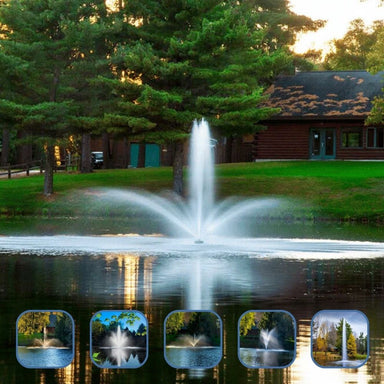
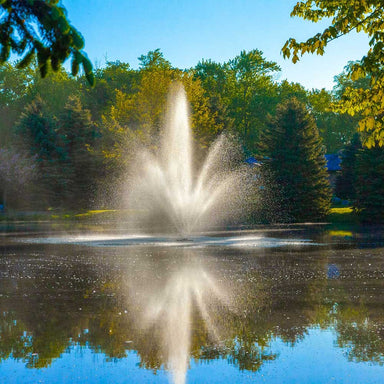
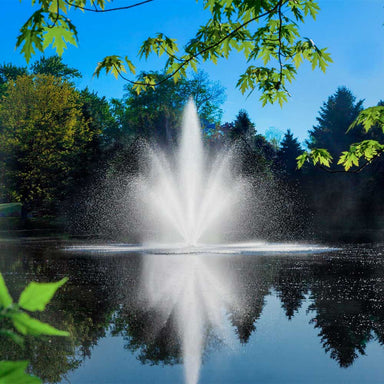
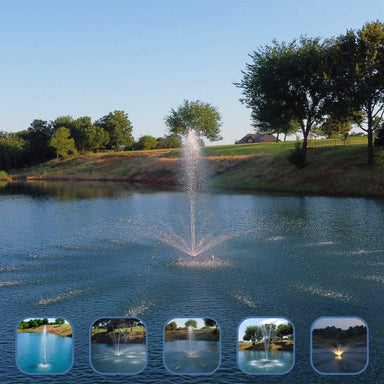
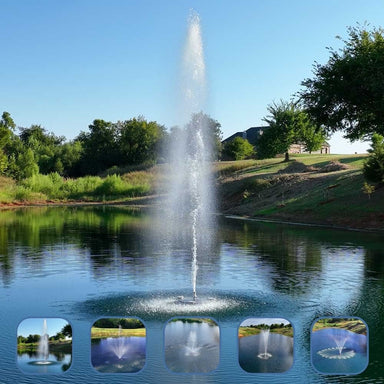
Pond fountains and floating pond fountains that fix water problems and make your pond the centerpiece

Most people donโ€™t start looking for pond fountains because everything is going great. It usually starts with algae blooms, murky water that wonโ€™t clear, bad smells, or worse, a fish kill that forces action fast. Other times, itโ€™s less urgent but just as real. The pond looks flat, underwhelming, or not living up to what it could be.

This collection brings together pond fountains built for both sides of that equation. You get the visual impact that makes people stop and look, along with the water movement that helps restore balance. Whether you're managing a retention pond, upgrading a private estate, or improving a commercial property, the right system changes how the water looks, feels, and functions.

Why floating pond fountains solve more than just appearance

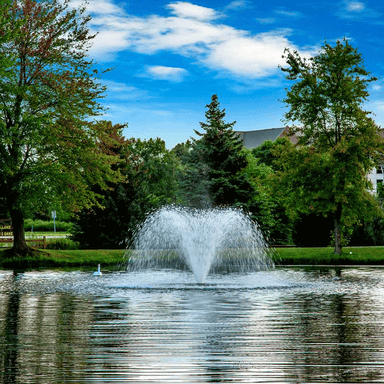
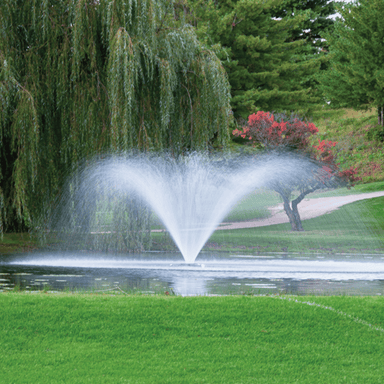
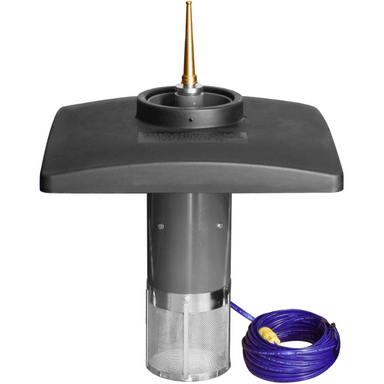
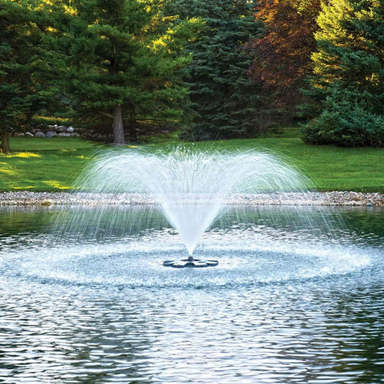
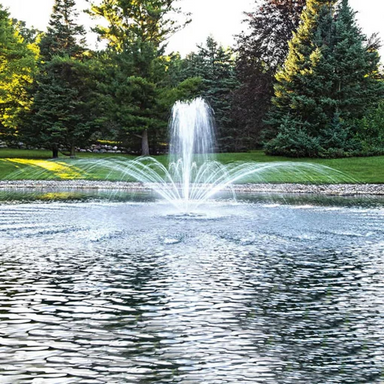
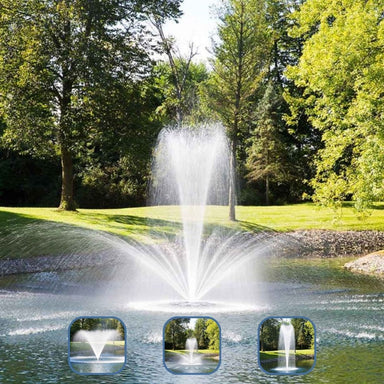
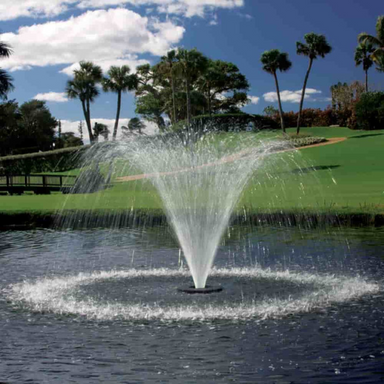
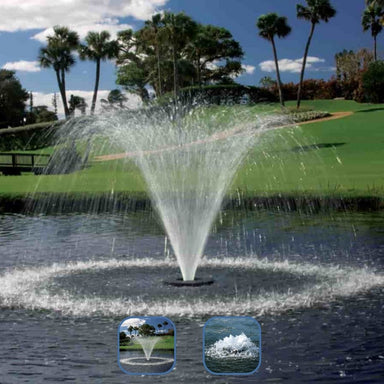
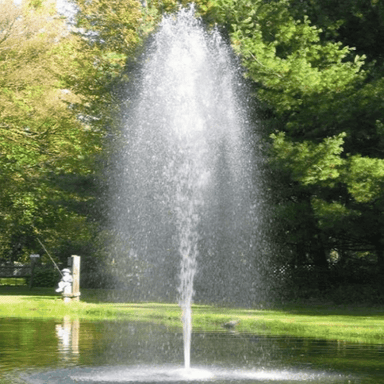
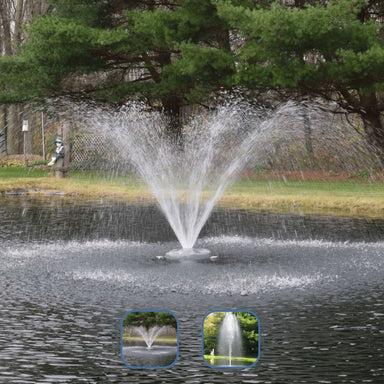
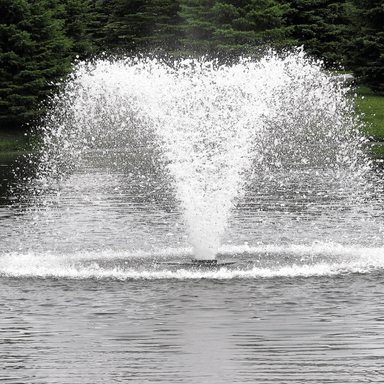
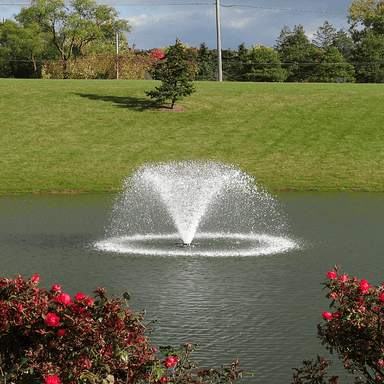
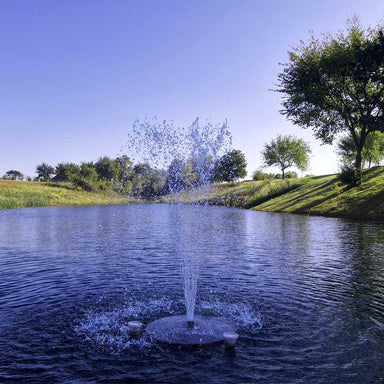
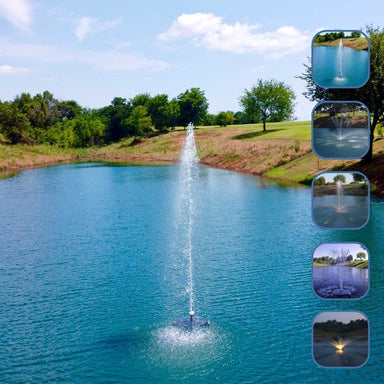
Floating pond fountains do more than create a spray pattern. They break up stagnant surface water, improve circulation, and help prevent the conditions that lead to algae and odor issues. For many ponds, that alone is enough to noticeably improve water clarity within weeks.

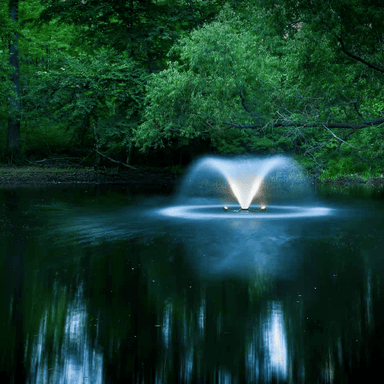
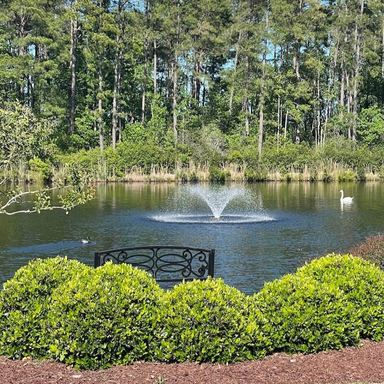
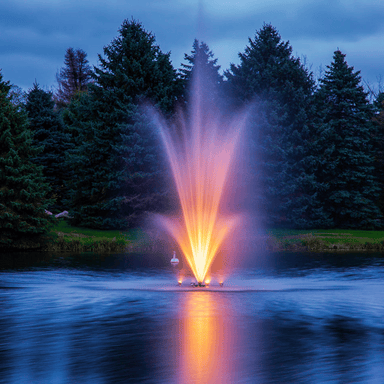
The visual payoff is often bigger than expected. Customers regularly mention how much more they enjoy their pond after installation, especially with the added movement and sound. At night, fountains with lighting completely change the atmosphere, turning a quiet pond into a focal point.

Itโ€™s not just about looks. Itโ€™s about finally feeling like your pond is working the way it should.

How to choose the right outdoor pond fountain without guessing

Most buyers underestimate what they need. Itโ€™s one of the most common mistakes, especially when trying to save money upfront. A fountain that is too small will struggle to move enough water, leaving large portions of the pond unchanged.

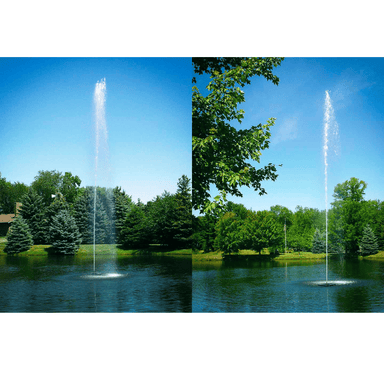
A good starting point is understanding your goal. If you want visual impact, horsepower mainly affects how high and wide the spray reaches. If you want meaningful water movement, size becomes more important. A general rule is around 1 to 1.5 horsepower per surface acre for ponds under about 2 acres, but depth, shape, and layout all matter.

If your pond is larger or irregularly shaped, one fountain may not cover everything. In those cases, adding a second unit or pairing with aeration is often the better long-term solution.

Pond fountains for sale that are built to last, not replace every year

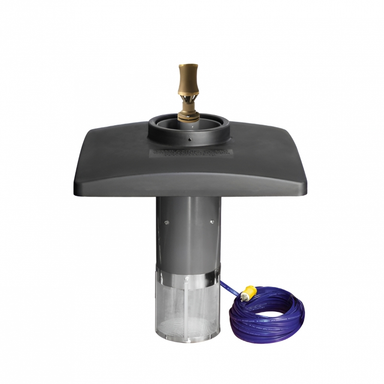
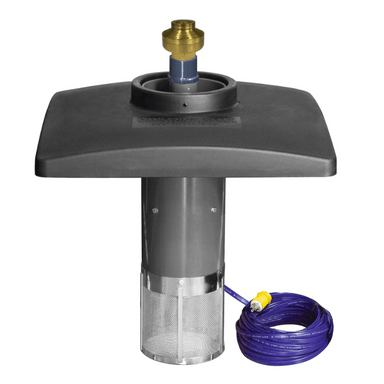
One of the biggest frustrations customers share is buying a fountain that fails after a short time. Motor burnout, cracked floats, and poor sealing are common issues with lower quality units. Thatโ€™s why the focus here is on systems built for long-term performance.
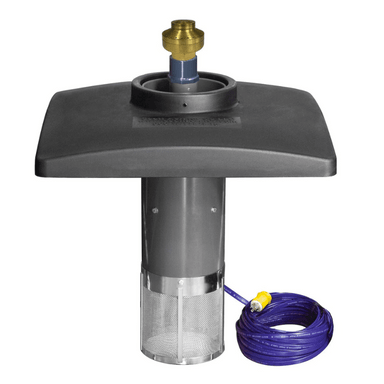
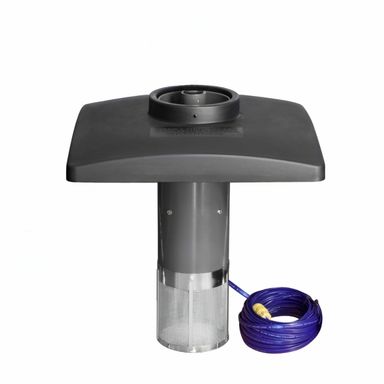
Motor quality is the single biggest factor in how long a fountain lasts. High-quality units use better sealing, cooling methods, and materials that hold up under constant use. Durable floats, reliable electrical components, and solid warranties all play a role in making sure your investment holds up over time.
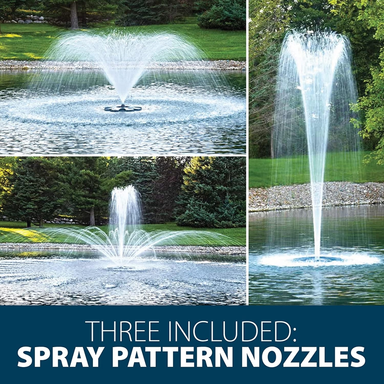
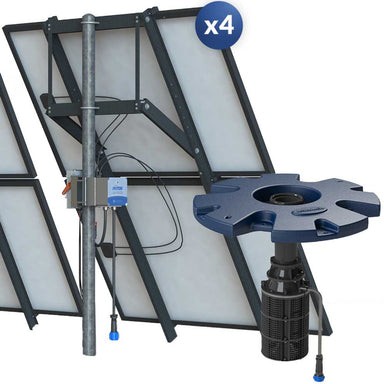
A well-built fountain can realistically last 10 to 15 years with proper care. Thatโ€™s the difference between a quick fix and a long-term upgrade.

When a pond with fountain is enough and when you need more

A pond with fountain is often a major step forward, but it is not a complete solution for every situation. Fountains primarily move and aerate water near the surface, typically within the top 6 to 8 feet. If your pond is deeper or dealing with serious oxygen issues, that may not be enough.

If fish health, deep water circulation, or heavy algae problems are your main concern, you may need a dedicated aeration system. You can explore those options in our Aerating Pond Fountains Collection.

In many real-world setups, especially larger ponds, the best results come from combining both. A fountain handles the visual impact and surface movement, while aeration works from the bottom up to improve overall water quality.

Pond Fountains FAQs

Are water fountains good for ponds?

Yes, pond fountains are beneficial for most ponds because they improve circulation and reduce surface stagnation. This helps limit algae growth, reduce odors, and improve overall appearance. Many pond owners also notice clearer water within a few weeks of installation as movement increases. While fountains do add some oxygen, they primarily impact the upper portion of the water.

What is the cheapest way to oxygenate a pond?

The lowest-cost option depends on what you are trying to achieve. A fountain can improve surface oxygen levels and circulation at a relatively accessible price point. However, if your goal is full-depth oxygenation, especially in deeper ponds, a dedicated aeration system is more effective long term. Choosing the right solution early helps avoid spending more correcting ongoing water issues.

How big of a fountain do I need for my pond?

Sizing depends on your pondโ€™s surface area, depth, and your goals. A general starting point is around 1 to 1.5 horsepower per acre for ponds under about 2 acres if you want meaningful water movement. If your focus is mainly visual, you can size based on how high and wide you want the spray to be. Most customers tend to undersize, so when in doubt, going slightly larger is usually the better choice.

Should you leave a pond fountain on all the time?

Most pond fountains are designed for continuous operation and can run 24 hours a day if needed. Running them consistently helps maintain circulation and stable water conditions. However, many owners choose to use a timer and run the fountain for around 8 hours per day to extend equipment life. The right schedule depends on whether your priority is water quality, appearance, or both.

What problems will a pond fountain not fix?

A fountain will not fully solve deep water stratification, heavy nutrient overload, or severe existing algae blooms on its own. It primarily affects the surface layer and cannot circulate water from the bottom in deeper ponds. In these cases, additional solutions like bottom diffused aeration or water treatments may be needed. A fountain works best as part of a broader pond management approach when conditions are more complex.