Skip to content
CALL OR TEXT US FOR THE BEST PRICING 866-383-7258

Pond Aerators

Filters

Pond Aerators

Why pond aeration systems are the only reliable way to stop fish kills and stabilize a failing pond

Most people don’t start searching for pond aerators until something is already going wrong.

Fish are gasping at the surface. The water smells like sulfur or rotten eggs. The pond has that green, cloudy look that never clears no matter what you try. Or worse, a storm rolls through and suddenly the entire pond turns over overnight.

What most pond owners don’t realize is that the real problem is happening below the surface long before anything looks wrong. A pond can look completely fine and still be one event away from a full crash.

Pond aeration systems fix that by moving oxygen through the entire water column, not just the surface. They stabilize the pond, reduce risk, and give you control over what’s happening underwater before it becomes expensive to fix.

Why pond bubble aerators fix the low-oxygen problem most pond owners never see coming

Think of your pond like a layered cake in the summer. The top layer is warm and full of oxygen. The bottom layer is cold, dark, and has little to no oxygen. That bottom layer becomes a dead zone where decay builds up over time.

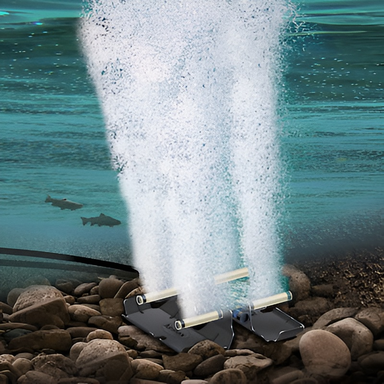
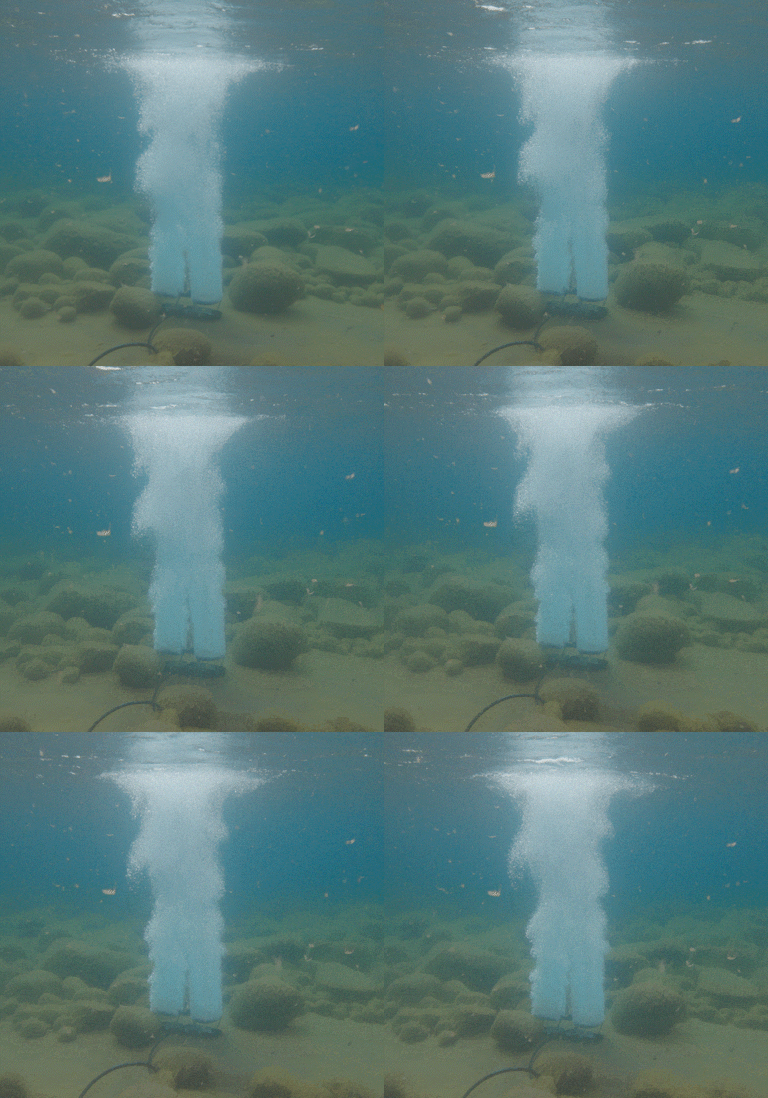
Pond bubble aerators break that separation. By lifting oxygen from the bottom upward, they gently mix the water and prevent the kind of sudden turnover that can wipe out an entire fish population overnight.

This is why surface-only solutions fall short in deeper ponds. They simply do not reach the part of the pond where the real problems start.

Choosing aeration systems for ponds based on depth, not just surface area

The most expensive mistake pond owners make is sizing based only on acreage. Most systems sold online are undersized for real ponds. If you only size by surface area, you are guessing.

A one-acre pond that is four feet deep behaves completely differently than a one-acre pond that is eight or ten feet deep. The deeper the pond, the more critical it becomes to move oxygen all the way to the bottom.

That is why depth should always be one of the first questions, along with your goal and overall pond size. If you are trying to improve fish health, reduce muck, or prevent odor, the system must be designed to address the full water column, not just what you see on top.

Farm pond aeration systems that hold up under real conditions

Farm pond aeration systems deal with heavier loads. Livestock runoff, organic buildup, and long periods without intervention all put stress on the water.

In these cases, durability and consistency matter more than anything. A system that runs continuously and maintains stable oxygen levels prevents the slow buildup that eventually leads to major problems.

This is also where cheap systems tend to fail. Undersized compressors burn out. Low-quality components degrade quickly. What looks like a lower upfront cost often turns into repeated replacements within a year or two.

A properly built system is designed to run long term and handle the conditions that real ponds experience.

What actually separates high-quality pond aerators from systems that fail early

The difference shows up in the parts most people never think about.

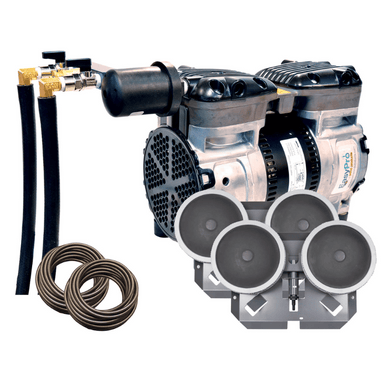
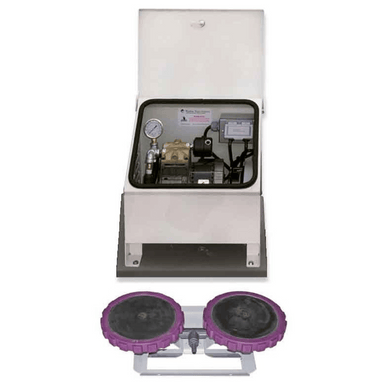
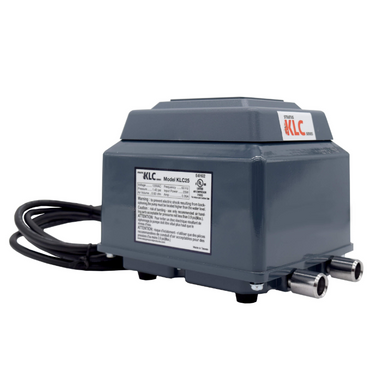
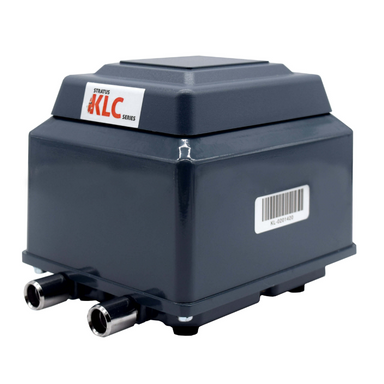
The compressor is the single most important component. If it is not designed for continuous duty or matched to your pond depth, the entire system fails. That is the most common reason low-cost systems burn out within months.

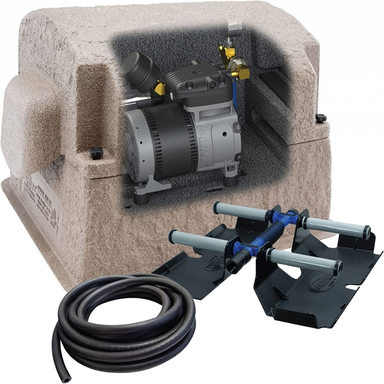
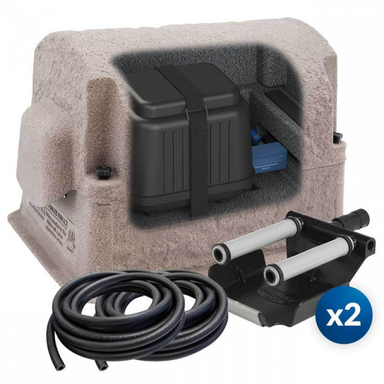
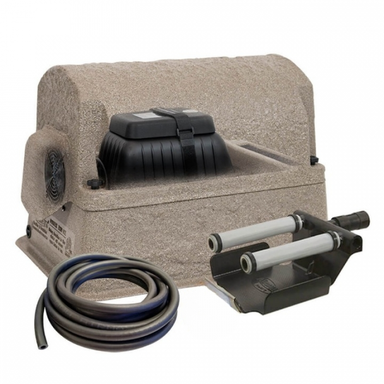
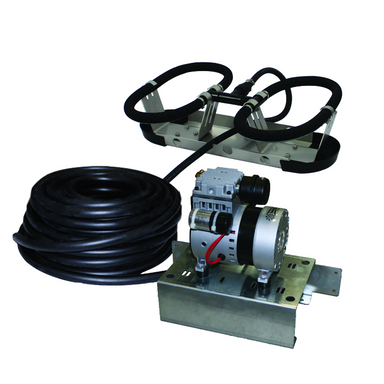
Diffuser quality also matters. Higher-grade membrane diffusers are built to resist clogging and maintain consistent airflow for years, while cheaper options degrade and lose performance much faster.

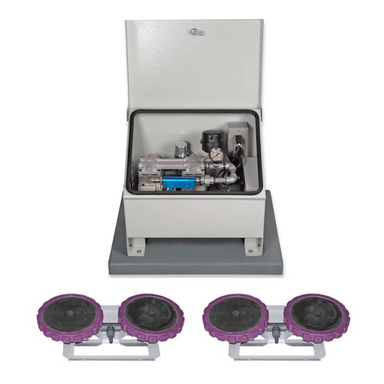
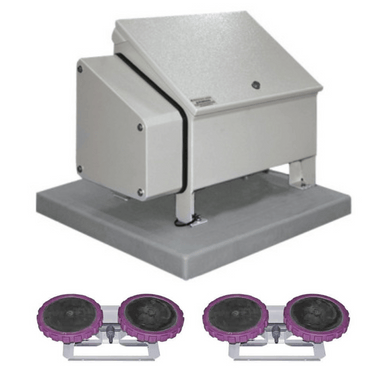
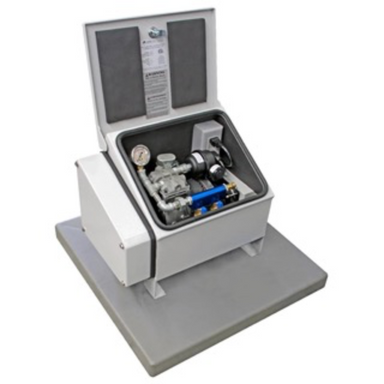
Even details like tubing and cabinet design play a role. Kinking lines, poor ventilation, and exposure to heat and dust all shorten system life. A good system is built as a complete package, not just a collection of parts.
When pond aeration systems are enough and when your pond needs more than one solution

Pond aeration systems are one of the most effective ways to improve water quality, but they are not a cure for everything.

It will not remove heavy algae mats overnight. It will not stop new nutrients from entering the pond. It will not fix erosion, invasive plants, or bring back fish after a loss.

What it does is create the conditions for a healthy pond. In many cases, the best results come from combining aeration with bacteria treatments, nutrient management, and occasional manual cleanup.

If your pond has deeper structural issues, solving the root cause alongside aeration is what leads to long-term results.

Find the right pond aerator for your setup

Shop by size:    1/4 Acre  |  1/2 Acre  |  1 Acre  |  Small Pond Aerators    Large Pond Aerators  |  Lake Aerators 

Shop by type:    Bottom Diffused Aeration  |  Surface Aerators  |  Aerating Pond Fountains  |  Solar Pond Aerators  |  Windmill Pond Aerators

Still figuring out what you need? Read our How to Choose the Right Aerator for Your Pond article

Need help getting it right the first time? We’ll walk through your pond’s depth, shape, power access, and goals, and map out a system that actually fits your pond.

Call 866-383-7258 Now to Chat with your Pond Experts!

Pond Aerators FAQs

What is the best aerator for a pond?

The best pond aerator depends on depth, size, and your goal for the pond. Bottom diffused systems are typically the most effective for improving overall water quality because they circulate oxygen from the bottom up. Surface aerators are better suited for shallow ponds or situations where only partial aeration is needed. If you want a detailed breakdown of how to choose, you can read this guide: https://everbluepond.com/blogs/learning-center/best-pond-aerator-how-to-choose-the-right-one-for-your-pond

How can I aerate my pond cheaply?

Lower cost options often seem appealing, but they frequently fail to address the real problem, which is lack of oxygen at depth. Many budget systems use compressors that are not built for continuous operation and can burn out within months. A properly sized aeration system may cost more upfront, but it prevents repeated replacements and larger issues like fish loss. In most cases, choosing the right system first is the more cost-effective decision over time.

How many hours a day should a pond aerator run?

Most pond aerators are designed to run continuously, and 24-hour operation provides the most stable results. Turning the system off allows stratification to begin forming again and can slow down improvements in water quality. In colder climates, systems are still typically run year-round, but often with fewer diffusers active. Consistency is what allows the pond to reach and maintain a healthy balance.

How deep should a pond aerator be?

In bottom diffused systems, diffusers are usually placed at or near the deepest point of the pond to maximize circulation. This allows oxygen to move upward through the entire water column. Depth is critical because it determines the type of compressor needed and how effectively the system will perform. A system that is not designed for the correct depth will struggle to deliver results.

Why does a pond sometimes get worse after installing aeration?

It is common for ponds to temporarily look worse before they improve, especially if they have never been aerated before. As the system begins mixing the water, built-up sediment and low-oxygen water from the bottom can rise to the surface, causing cloudiness or stronger odors at first. This is part of the recovery process. With proper startup and consistent operation, conditions stabilize and improve over time.