
Skip to content
CALL OR TEXT US FOR THE BEST PRICING 866-383-7258

Retention Pond Fountains

Stormwater Pond Fountains That Solve the Problem Your Pond Actually Has

A retention pond can be doing its job perfectly and still look terrible.

These ponds collect more than stormwater. Grass clippings, leaves, fertilizer, animal waste, sediment, and excess nutrients wash into the pond water from surrounding lawns, roads, and parking lots. Without enough water circulation and oxygen, those conditions can contribute to an algae bloom, odor, muck, and other water quality problems.

That is usually when we get the call.

But adding any fountain is not automatically the answer. Some retention ponds need a beautiful decorative display. Others need surface aeration capable of moving much larger volumes of water. Some need both.

The goal is to figure out what your pond actually needs before you spend money trying to fix it.

Why do retention ponds have fountains?

Sometimes the answer really is simple: they look better.

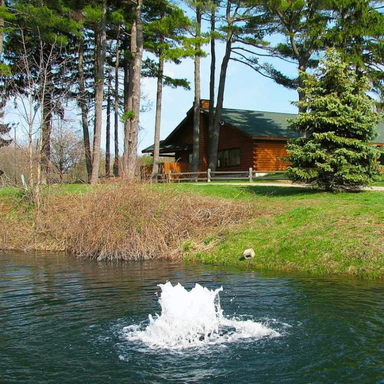
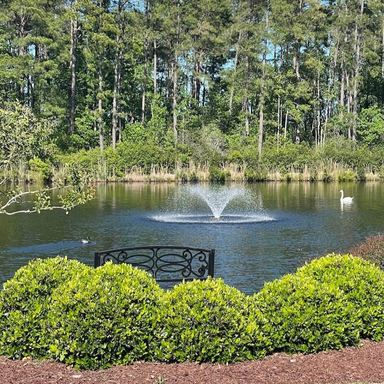
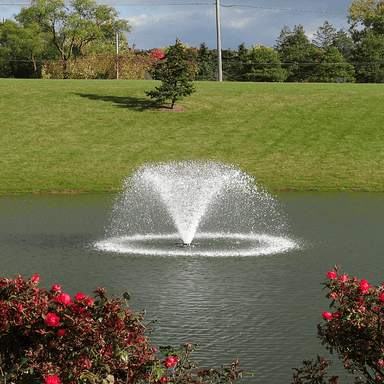
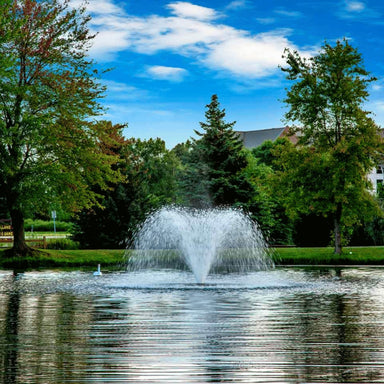
For an HOA, apartment community, commercial development, municipality, or neighborhood entrance, floating pond fountains can add the aesthetic appeal people expect from commercial pond fountains while turning an unattractive stormwater pond into an intentional part of the landscape. This matters even more when the pond sits beside homes, walking paths, a clubhouse, or somewhere residents see every day.

But water movement can be just as important.

Stagnant sections of a retention pond can contribute to mosquito activity, odor, algae, and poor water quality. The right equipment creates circulation and oxygen transfer that can help make those conditions easier to manage.

The important words there are the right equipment.

A beautiful fountain and a healthy retention pond are not always the same purchase

This is probably the biggest mistake we see.

People spend good money on a decorative fountain because they love the spray pattern, then expect it to fix a green, stagnant pond loaded with nutrients and muck.

That was never the fountain's job.

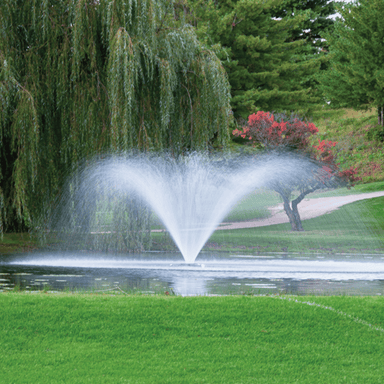
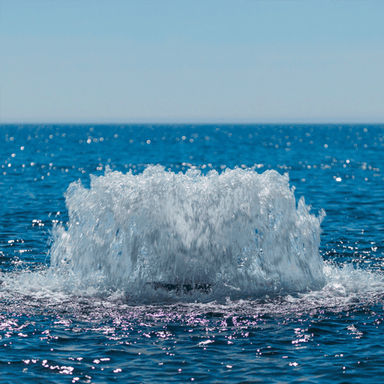
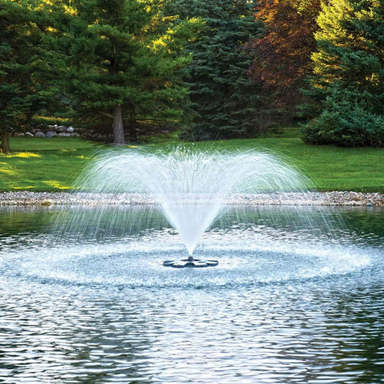
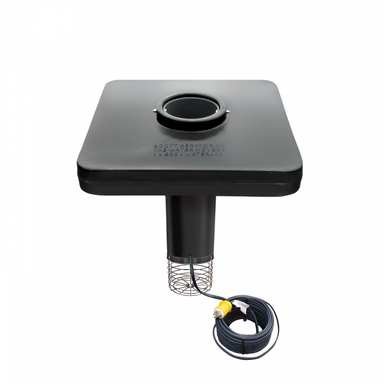
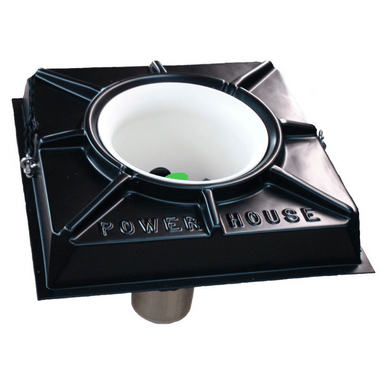
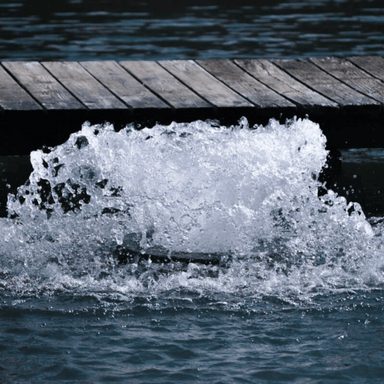
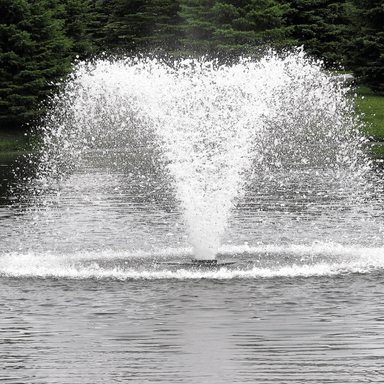
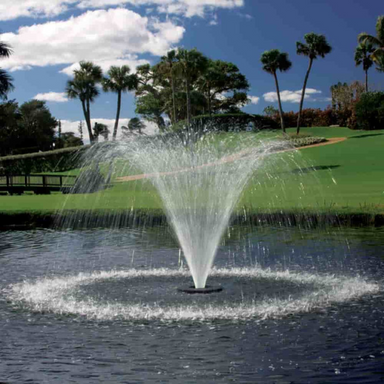
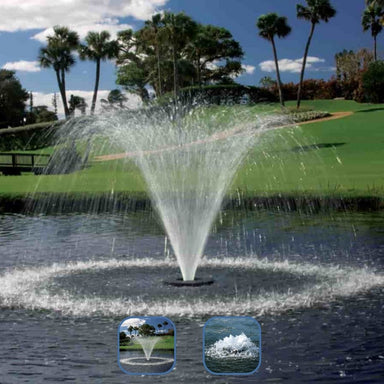
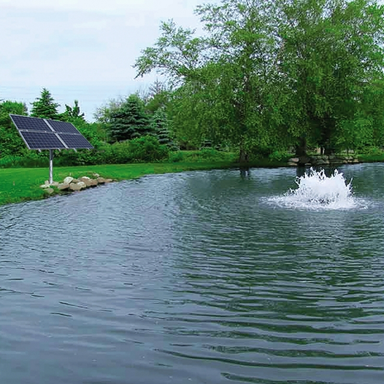
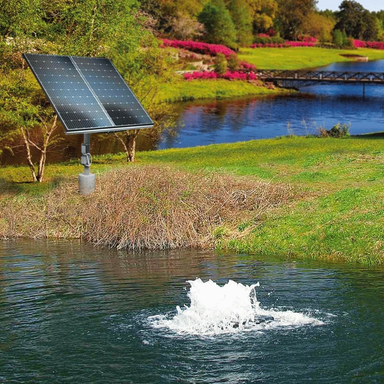
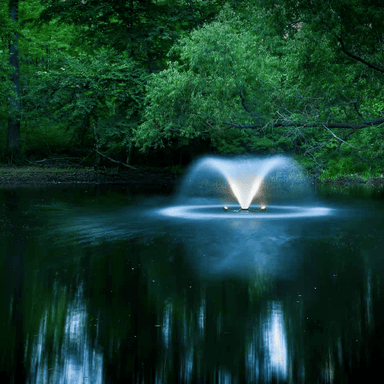
A decorative fountain is primarily built to create an impressive display. A surface aerator is engineered differently, with the goal of moving large volumes of water and transferring as much oxygen as possible. Aerating fountains and other pond aeration systems put water movement first, while decorative fountains prioritize the display.

Surface aeration can improve oxygen transfer and water circulation near the top of the pond, but deeper ponds may need an aeration system that circulates more of the water column. If the goal is to provide sufficient aeration throughout the pond rather than create visual appeal at the surface, pond depth becomes an important part of choosing the right system.

If your priority is curb appeal, a decorative fountain may be exactly what you need.

If you're dealing with low dissolved oxygen, recurring algae, odor, stagnant water, or heavy biological loads, we'd look much harder at a surface aerator.

And if you want both? There is nothing wrong with using both.

Sometimes you have to get the pond healthy enough to enjoy the fountain

One community we worked with already had a decorative fountain in its retention pond. It constantly clogged, the pond developed a green film across the surface, and the homeowner closest to the water complained about a strong sulfur smell. Eventually, the community pulled the fountain completely.

Instead of replacing it with another decorative unit, we recommended a properly sized surface aerator.

About four months later, they called us back amazed by how much water movement they were seeing and how much better the pond was doing. One of the biggest changes had nothing to do with a specification on a product page. The community could start holding its monthly gatherings at the nearby country club pavilion again.

Later, they came back ready for the decorative fountain they had wanted all along.

They kept the surface aerator running on the other side of the pond.

Now they have the best of both worlds. The aerator works the pond while the fountain creates the show.

Before we recommend anything, we ask three questions

How big is the pond? How deep is it? What shape is it?

Those answers tell us far more than a picture of the fountain you like.

A shallow pond receives more sunlight deeper into the water, which can contribute to algae and plant growth. Ponds deeper than that present a different challenge because surface equipment may not adequately circulate the bottom water. An irregular pond with coves or tucked-away sections can also leave stagnant pockets that one aerator may never reach.

Then we look at electricity.

Your available voltage and the distance between the electrical source and the pond can determine which manufacturer, motor, horsepower, cord length, and fountain models you can realistically operate. Long runs on 115V can create voltage drop limitations, while 240V generally provides more flexibility for higher horsepower and longer distances.

It's much better to figure that out before you fall in love with a fountain.

If you're unsure, call 866-383-7258. Give our expert staff your pond size, depth, shape, available power, and what you're trying to fix. We'll help you find the right fountain, surface aerator, or combination for your property.

The right retention pond system should solve complaints, not create new ones

"The pond stinks."

"The mosquitoes are terrible."

"The water is green."

"That pond looks awful."

Those are the complaints property managers and HOA boards get tired of hearing.

With properly sized aeration and enough time, the conversation can change. Water movement improves. Odors can decrease. Algae can become easier to manage. Stagnant mosquito-friendly areas can be reduced. And instead of residents asking why nobody is doing anything about the pond, they start noticing how much nicer everything looks around it.

There is still maintenance involved. Retention ponds continuously collect runoff, nutrients, debris, and organic material, so no fountain or aeration system makes them maintenance-free.

The goal isn't simply putting something pretty in the water.

It's getting the retention pond to a point where people actually enjoy having it there.

Retention Pond Fountain FAQs

Can you put a fountain in a retention pond?

Yes, but the better question is whether a decorative fountain is what your retention pond actually needs. If the goal is appearance, a properly sized decorative fountain can be an excellent addition. If you're trying to correct stagnant water, low oxygen, odor, or recurring algae, a surface aerator may be more appropriate. Pond size, depth, shape, and water conditions should determine the system.

Why do they put fountains in retention ponds?

Fountains are commonly installed to improve the appearance of retention ponds and create water movement at the surface. That movement can reduce stagnant conditions and provide some oxygen transfer, but different fountain designs move very different amounts of water. A decorative fountain should not be confused with a true surface aerator when pond aeration and water quality are the primary concerns.

How can I make the water clearer in a retention pond?

Start by figuring out why the pond water is cloudy or green rather than assuming a fountain will clear it. Retention ponds continuously receive excess nutrients and debris from runoff, so algae and water quality problems can have multiple causes. Properly sized aeration can improve oxygen and water circulation, making algae, odor, and organic buildup easier to manage over time. Nutrient management or other treatments may also be necessary depending on the pond.

Can a retention pond fountain help with mosquitoes?

Water movement can make parts of a retention pond less attractive to mosquitoes because they prefer stagnant or slow-moving water for breeding. However, one fountain cannot necessarily circulate every corner of an irregularly shaped pond, and mosquito control should not rely on a fountain alone. Pond shape, equipment sizing, and placement matter, especially when coves or isolated areas remain stagnant.

Should I use a fountain or surface aerator in a retention pond?

Choose based on the problem you're trying to solve. If your main goal is a large, attractive display, start with a decorative fountain. If your pond is green, stagnant, smells bad, or needs substantially more oxygen and circulation, a surface aerator is usually the first system we'd evaluate. Many properties ultimately use both: the surface aerator works the pond while the decorative fountain provides the visual impact.